











What You Need to Know about the Overseas Citizenship of India Card
India may not offer dual citizenship, but there’s still a strong and flexible option to stay connected to the country. If you’re eligible for citizenship in another country and exploring your options, the Overseas Citizen of India (OCI) card offers a great middle ground. While it isn’t dual citizenship, it provides many long-term benefits that allow people of Indian origin to stay closely connected to India.
For many people, OCI is one of the best ways to maintain a connection to India without holding citizenship. It is often described as a lifelong visa and identity card for foreign citizens of Indian origin. It allows eligible people to live, work, and travel in India for long periods without needing to reapply for a visa each time.
What Is OCI?
OCI stands for Overseas Citizen of India. It was introduced after the Citizenship Act was amended in 2005, and it was designed for people who were once Indian citizens, or who have a strong family link to India through parents, grandparents, or great-grandparents.
This card is especially helpful for people who want a long-term connection to India but cannot hold dual citizenship. India does not allow dual citizenship, so OCI is often the next best option for many people of Indian origin.
Who Can Apply?
OCI is open to many foreign citizens of Indian origin. In general, eligible applicants include people who were citizens of India on or after January 26, 1950; people who were eligible to become Indian citizens at that time; people whose families came from territories that later became part of India after August 15, 1947; and their children, grandchildren, or great-grandchildren.
Spouses of Indian citizens or spouses of OCI cardholders may also qualify if the marriage has been registered and has continued for at least two years. Children of eligible parents may also apply.
Who Is Not Eligible?
Not everyone with Indian family history can apply. A person is not eligible if they, or their parents, grandparents, or great-grandparents, were citizens of Pakistan or Bangladesh. The Indian government may also designate other countries as ineligible at its discretion.
You also cannot apply for OCI while on a tourist, missionary, or mountaineering visa. The rules also say that applicants must normally be residents of the country from which they are applying, unless special exceptions apply.
Benefits of OCI
OCI gives several useful benefits. It is a multiple-entry, lifelong visa that allows you to visit India again and again without applying for a new visa each time. It also removes the need to register with the local police for any length of stay in India.
OCI cardholders also receive many of the same benefits as Non-Resident Indian citizens, or NRIs, in many economic, financial, and educational matters, except for agricultural or plantation property. OCI holders may also take up employment in India without needing a separate employment visa.
OCI for Spouses and Children
OCI is not only for former Indian citizens. It can also apply to minor children and to foreign spouses in certain cases. For spouses, the marriage must be registered and must have lasted at least two years before the application is filed.
For children, the application often depends on the parent’s eligibility and proof of the parent-child relationship. In some cases, the child’s birth certificate and the parents’ marriage certificate may be needed.
Important OCI Limitations
OCI is helpful, but it is not the same as full Indian citizenship. OCI holders cannot vote in Indian elections, become members of Parliament or state legislatures, or hold constitutional offices such as President, Vice President, or Supreme Court judge.
OCI holders are also not eligible to work in the Indian government, and certain activities—such as missionary work, mountaineering, journalism, or travel to protected or restricted areas—may require special permission.
How to Apply
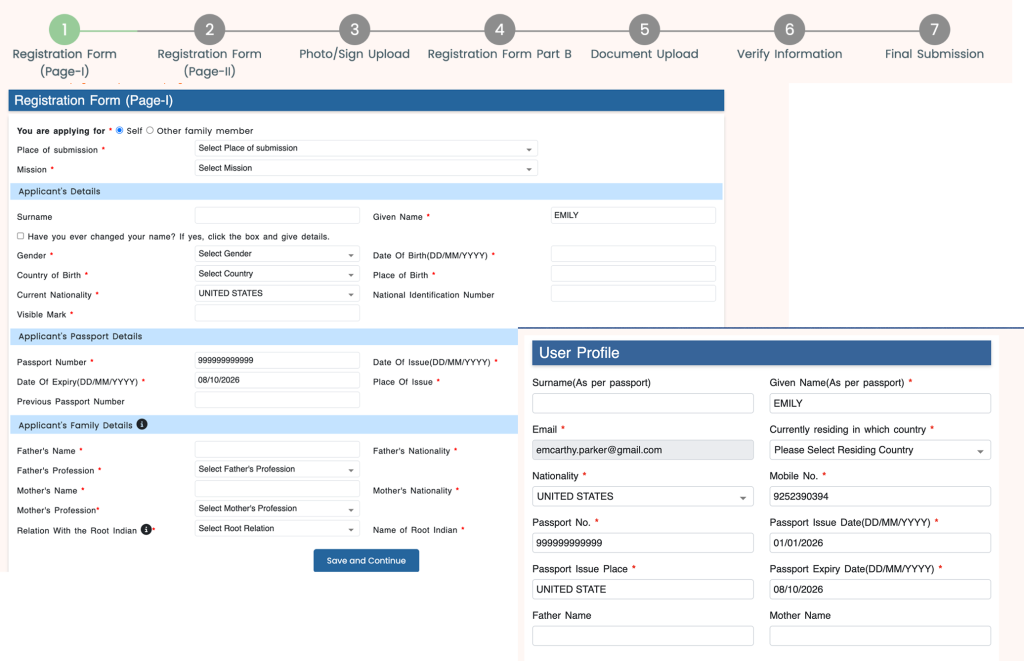
The OCI application process begins online through the official OCI portal. After creating an account and filling out the forms, applicants usually submit supporting documents and follow the instructions from the Indian Mission, FRRO, or approved service center handling the case.
What Can Cause OCI to Be Cancelled?
OCI can be cancelled in serious situations. This may happen if the registration was obtained by fraud, false information, or hiding important facts. It may also be cancelled if the person shows disaffection toward the Indian Constitution, trades with an enemy during war, or is sentenced to at least two years in prison within five years of registration.
The government can also cancel OCI if it is needed to protect India’s sovereignty, security, friendly foreign relations, or the public interest.
Documents You May Need
The exact document list can vary, but applicants usually need a valid passport, proof of current citizenship, proof of Indian origin, and documents showing the family relationship if the application is based on a parent, grandparent, or great-grandparent.
Common supporting documents may include:
- Current passport.
- Renunciation or naturalization papers, if relevant.
- Indian passport, domicile certificate, or nativity certificate from the Indian side of the family.
- Birth certificates showing the family line.
- Marriage certificates, where needed.
- Proof of address.
- Surrender certificate for those who gave up an Indian passport after becoming foreign citizens.
For foreign-issued documents, apostille or Indian Mission endorsement may be needed in some cases.